
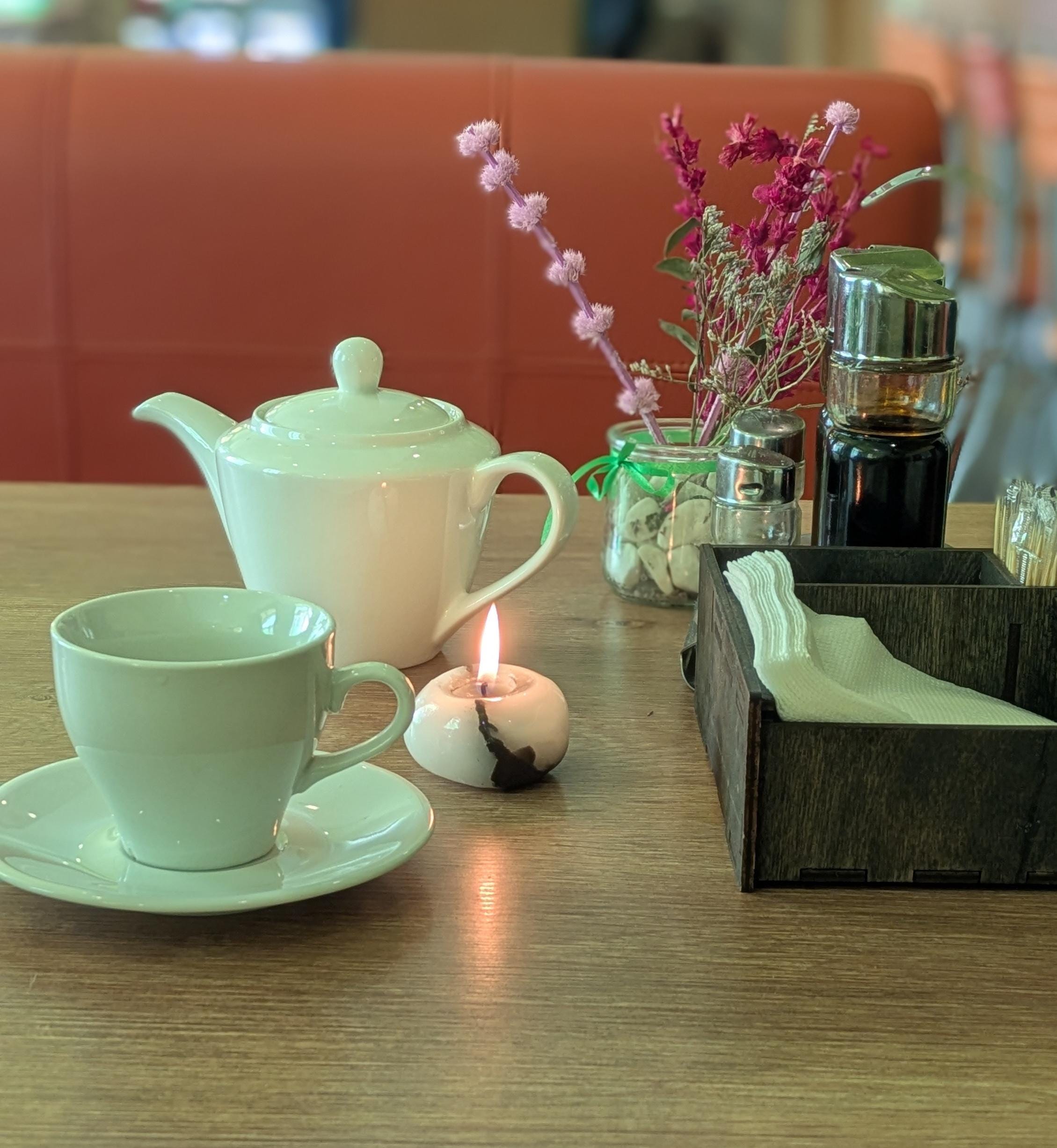
Minimalist Home Decor with Stone Candles — Design Ideas and Inspiration
Stone candles work in minimalist interiors because they follow the same principle: beauty through simplicity. A group of three to five stone candles on a wooden surface creates a focal point that looks intentional without being decorative. They blend into Japandi, Scandinavian, wabi-sabi, and modern minimalist spaces because they read as natural objects first, candles second. Most candles announce themselves. Jar candles have logos and labels. Pillar candles look like candles. Tapers need holders that add visual clutter. Stone candles do the opposite — they disappear into a room when unlit, looking like a curated collection of smooth river stones. Then, when lit, they transform the space with warm, living light. This is the fundamental design advantage: stone candles are objects that belong in a room whether they are burning or not.
Why Stone Candles Fit Minimalist Design
Minimalism is not about having fewer things — it is about having things that earn their place. Every object in a minimalist space needs to justify its presence through function, beauty, or both. Stone candles pass this test easily. They serve a functional purpose (light, ambiance, ritual) while also functioning as sculptural objects (texture, form, visual weight). They do not require a holder, a plate, a stand, or any accessory to look complete. They sit directly on a surface and look like they belong there. The colors help. SHAKHOV stone candles range from white to warm cream — neutral tones that work with any palette. There are no loud colors, no patterns, no decorative elements competing for attention. The visual interest comes from the organic shape and natural surface texture, not from applied decoration. The shapes help too. No two stone candles are the same, which means a group of three or five creates visual variety without clutter. The irregular, organic forms feel natural rather than manufactured — an important quality in design styles that value authenticity over perfection.
Styling Stone Candles — Grouping, Surfaces, and Placement
The most effective way to display stone candles is in groups. A single stone candle can work as an accent piece, but the real impact comes from clustering three, five, or seven together (odd numbers create more dynamic compositions than even ones). On a wooden tray or board. Place three to five stone candles of varying sizes on a rectangular wooden tray or cutting board. The wood-stone contrast is warm and grounding. This works on coffee tables, dining tables, console tables, and bathroom shelves. Directly on a surface. Stone candles can sit directly on a stone countertop, concrete table, or ceramic surface without a tray. The effect is more casual and organic — as if someone collected smooth stones and arranged them on the table. Along a shelf. A line of stone candles along a wall shelf creates a gallery-like effect. Space them irregularly — some close together, some with gaps — to avoid a rigid, manufactured look. On a windowsill. Stone candles on a windowsill catch natural light during the day and provide warm light in the evening. The transition from daylit stone to candlelit flame is one of the most satisfying visual moments you can create in a room. As a centerpiece. A cluster of five to nine stone candles in the center of a dining table replaces the need for a vase, bowl, or other centerpiece. Light them all for dinner, or light just two or three for a more subtle effect. In a fireplace. An unused fireplace filled with stone candles of various sizes is a classic design move — the candles fill the dark opening with light and texture without needing actual fire or gas.
Stone Candles in Japandi Interiors
Japandi — the blend of Japanese minimalism and Scandinavian simplicity — is one of the most popular interior design styles of recent years. It values natural materials, muted colors, functional beauty, and a sense of calm. Stone candles fit Japandi interiors as if they were designed for them. The neutral wax colors echo Japandi's muted palette. The organic shapes align with the Japanese appreciation for natural forms (similar to suiseki, the art of stone appreciation). The handmade quality connects to Scandinavian craft traditions. And the functional simplicity — an object that is both decorative and useful — is the essence of Japandi philosophy. Place stone candles alongside other Japandi elements: a ceramic vase with a single branch, a linen runner, a wooden bowl, a woven basket. The candles anchor the composition with weight and texture.
Wabi-Sabi and the Beauty of Imperfection
Wabi-sabi is the Japanese aesthetic that finds beauty in imperfection, impermanence, and incompleteness. It celebrates objects that show the marks of time, use, and natural process. Stone candles embody wabi-sabi naturally. Each one is slightly different — asymmetrical, imperfect, shaped by human hands rather than machined to precision. The surface texture varies from smooth to subtly rough. The color shifts from white to cream depending on the wax batch. These variations are not defects — they are expressions of the maker's hand and the material's nature. As a stone candle burns, it changes. The top surface melts into a glowing pool. The shape evolves. The object transforms from cold stone to warm light and back again. This impermanence — the candle slowly consuming itself — is wabi-sabi in its most literal form.
Scandinavian Hygge with Stone Candles
Hygge — the Danish concept of cozy, intimate well-being — is built on light. Candles are the most essential element of hygge, and Denmark burns more candles per capita than any other country in the world. Stone candles bring something extra to hygge settings. Traditional hygge uses tea lights and taper candles — functional but visually generic. Stone candles add tactile and visual richness without breaking the simplicity that hygge requires. They look like objects from nature, which connects to the Scandinavian love of natural materials and outdoor life. A hygge evening setup with stone candles: a wool blanket, a warm drink, a few stone candles lit on a wooden tray, soft music or silence. The candles provide the same warm, flickering light as tea lights but with more character and significantly longer burn time.
Outdoor Styling — Patios, Gardens, and Terraces
Stone candles are naturally suited for outdoor spaces, and their design flexibility makes them useful in several arrangements. Patio dining table. A group of stone candles in the center of an outdoor dining table provides light and ambiance. We recommend using them in calm conditions — they work well outdoors at wind speeds up to 3 m/s. Always use a tray or plate underneath, as with any candle on outdoor furniture. Garden path lighting. A line of stone candles along a garden path or walkway creates a magical effect after dark. The candles look like illuminated stones — an organic, natural version of path lighting that feels completely different from solar stakes or string lights. Poolside. Stone candles placed around a pool edge provide warm, low light. And because stone candles can float, you can also place them directly on the water surface for a dramatic floating candle display. Balcony or terrace. For apartment dwellers, a few stone candles on a balcony table create an outdoor ambiance even in a small space.
Stone Candles for Hotels, Restaurants, and Event Spaces
The hospitality industry values candles that look distinctive, burn safely, and require minimal maintenance. Stone candles meet all three requirements. Hotels. Stone candles in hotel lobbies, spa areas, and room decor create an immediate impression of quality and thoughtfulness. They look like curated design objects, not generic amenities. For boutique hotels and resorts, stone candles align with the elevated, nature-inspired aesthetic that guests expect. Restaurants. A single stone candle or a small group on each dining table provides warm light with a distinctive look that stands out from generic tea lights. Reinforced wicks keep the flame burning steadily without sinking into the wax. We recommend using SHAKHOV candle trays underneath — they protect surfaces and complete the visual presentation. Event design. Weddings, corporate events, and private dinners use stone candles as centerpiece elements. The ability to group them in clusters, line them along tables, or float them in water gives event designers flexible options. Custom packaging with branding on the box is available for corporate events. Spa and wellness. The unscented, clean-burning nature of stone candles makes them ideal for spa environments where fragrance needs to be controlled. Their stone-like appearance reinforces the natural, grounding atmosphere that spa design aims for. For wholesale and bulk orders, contact info@shakhov.shop or WhatsApp/Telegram +905310135921.
Combining Stone Candles with Natural Materials
Stone candles look best when paired with natural, unprocessed materials. Some combinations that work particularly well: Wood. Driftwood, raw-edge boards, turned wooden bowls, and wooden trays are the most natural partners for stone candles. The contrast between warm wood grain and cool stone-like wax is immediately appealing. Linen and cotton. A linen table runner or cotton cloth underneath a group of stone candles softens the composition and adds a textile layer. Ceramics. Handmade ceramic plates, bowls, and vases share the same aesthetic DNA as stone candles — handcrafted, imperfect, natural. Together they create a cohesive artisan feel. Dried plants. Dried flowers, grasses, seed pods, and branches complement stone candles without competing for attention. The muted tones and organic textures reinforce the natural theme. Actual stones. Mixing stone candles with real stones — river pebbles, quartz, marble fragments — creates a display where guests cannot immediately tell which objects are candles and which are stones. This is one of the most engaging conversation starters you can create with home decor. SHAKHOV — handmade stone candles from Kaş, Turkey. Human to Human. Browse the collection at shakhov.store.